

Recent headlines have left many investors believing that Caribbean citizenship by investment programs are about to shut down. The actual policy timelines paint a very different picture.
November 12 is not the day any program closes. According to Antigua and Barbuda's Prime Minister Gaston Browne, it is the date by which the five Eastern Caribbean governments must tell the European Commission whether they will commit to phasing out their citizenship programs by June 1, 2028. All five programs are open and processing applications today. What each government answers by November 12 will decide how long that lasts.
Clarifying the November 12 Deadline
The deadline came out of a technical meeting held in the week of October 19 between EU officials and representatives of the five Eastern Caribbean countries that run citizenship by investment programs (CIPs): Antigua and Barbuda, Dominica, Grenada, Saint Kitts and Nevis, and Saint Lucia. It follows letters sent on June 25, 2026 by EU Commissioner Magnus Brunner, asking each of them to end their programs by June 1, 2028, with a 24-month transition.
Speaking on his radio show on October 24, Browne described the two options Brussels put on the table, as reported by IMI Daily:
- Agree to a phase-out by June 2028: confirm by November 12 a commitment to wind down citizenship by investment by June 1, 2028, keep the program running through a managed transition and keep visa-free access to Europe.
- Keep the programs and face visa scrutiny: decline the 2028 commitment and risk proceedings that could suspend visa-free entry to the 29 Schengen countries. Since December 30, 2025, the EU's revised visa suspension rules, Regulation (EU) 2025/2441, treat an investor citizenship program on its own as grounds for suspension.
Browne said his Cabinet leans toward accepting the 2028 end date to protect Antiguans' travel to Europe, but that nothing is decided. "No final determination has been made, but based on the preliminary discussions, it's very likely that Antigua and Barbuda will suspend its CIP program come November 12th," he said, as quoted by the Antigua Observer. IMI Daily reports that, under that option, the program would keep operating until June 1, 2028.
A Decision Every Caribbean State Must Make
News coverage has focused on Antigua and Barbuda, but all five countries face the same deadline and the same choice. Dominica's government said on October 28 that it will communicate further with the EU by November 12, and that it is discussing with Brussels the economic and fiscal impact of ending its program.
Browne called a meeting of the heads of government of the Organisation of Eastern Caribbean States (OECS) for the week of October 26 to agree on a common position. Visa waiver agreements with the EU are bilateral, though, so if there is no regional consensus, each government must answer on its own. For every capital, the decision means weighing two priorities:
- International mobility: visa-free travel to Europe for every citizen who relies on it for business, study or family.
- Fiscal revenue: investment that funds public infrastructure and debt service in small economies with few other sources of foreign capital.
What This Means for Current and Prospective Investors
Whether governments confirm the 2028 phase-out or push back, November 12 marks a turning point:
- Applications continue for now: November 12 is a deadline between governments, not a closing date for applications. As of October 29, no government has announced that it will close its program or stop files already submitted, and Citizenship by Investment Units keep processing under the current rules. How files in process would be handled under a phase-out has not been set out yet.
- The window is narrowing: if governments confirm the 2028 end date, Caribbean citizenship without relocation will be on a fixed countdown. Demand usually rises ahead of a known closing date, so processing times could lengthen.
- Stricter conditions before 2028 are possible: the EU letters already asked for interim safeguards, such as stronger vetting and the exclusion of people under EU sanctions. A confirmed phase-out could add more, from tighter due diligence to caps on annual applications.
Plan Your International Mobility Strategy
Whether you are preparing a Caribbean application or reviewing your family's broader backup plan, the date that matters is the one governments answer, not the one in the headlines. Our guides to Antigua and Barbuda, Grenada, Saint Kitts and Nevis and Saint Lucia cover each program, and our article on long-term options for Schengen travel compares Caribbean passports with European residence permits.
To discuss how the November 12 deadline may affect your personal or business mobility goals, connect with our advisory team for a clear, fact-based assessment.
Frequently Asked Questions
Are Caribbean citizenship by investment programs closing on November 12?
No. November 12 is the date by which the five governments must tell the European Commission whether they will phase out their programs by June 1, 2028. All five programs remain open.
Do Caribbean passports still give visa-free access to Schengen?
Yes, as of October 29, 2026. A country that declines to phase out its program risks proceedings that could suspend visa-free entry to the Schengen Area under Regulation (EU) 2025/2441.
Can I still apply for Caribbean citizenship by investment?
Yes. Citizenship by Investment Units in Antigua and Barbuda, Dominica, Grenada, Saint Kitts and Nevis, and Saint Lucia continue to accept and process applications under their current rules.
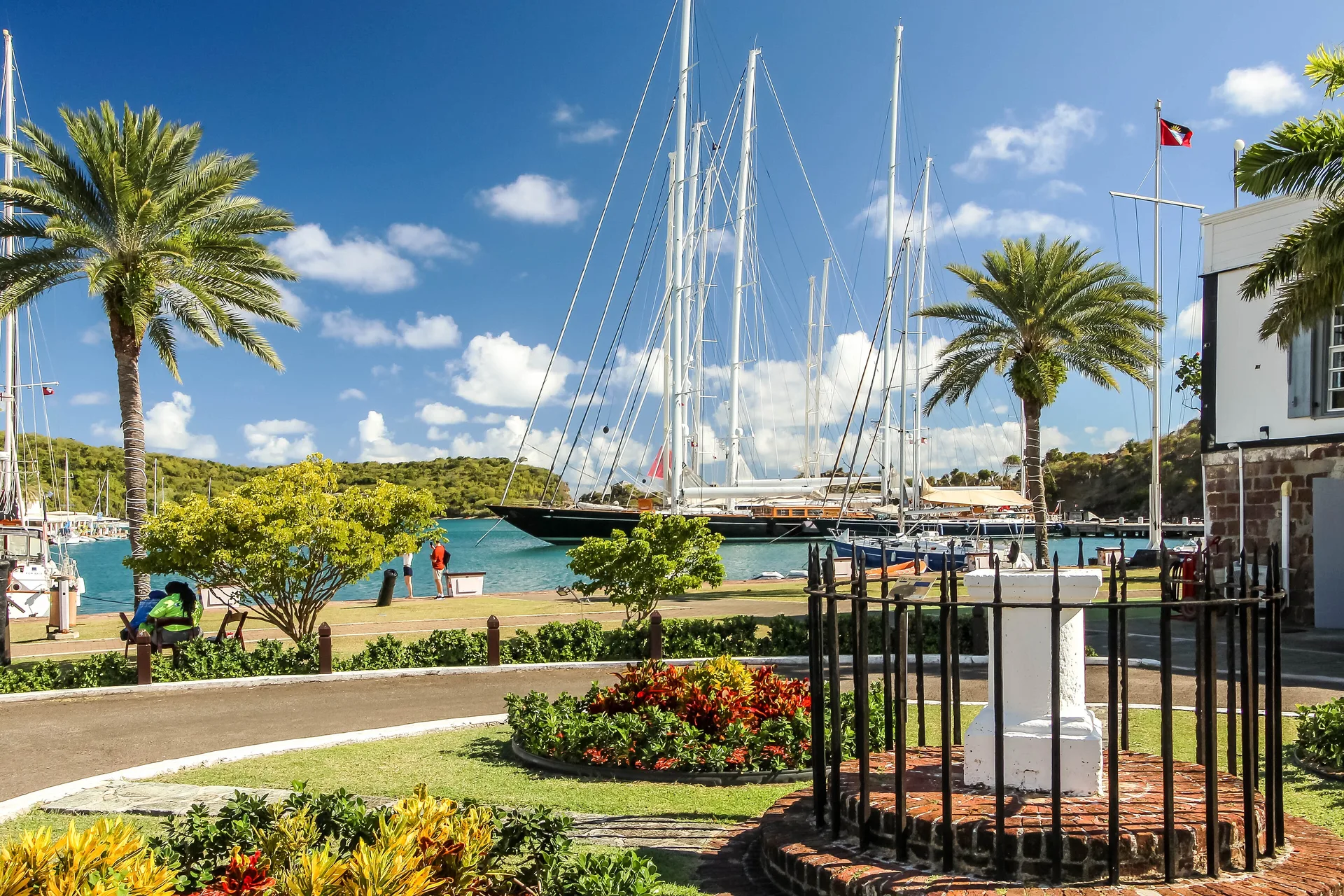
Cover photo: Nelson's Dockyard, English Harbour, Antigua. Photo by Dr. Thomas Liptak, CC BY 4.0, via Wikimedia Commons.
